
Château d’Eu: A Visitor’s Guide from the UK
Why would a small Normandy town on the Bresle river hold one of the most surprising royal museums in France? Eu is not Versailles, and it is not Fontainebleau. Yet this modest-looking château was the favourite residence of Louis-Philippe, the last King of France, and the heart of the House of Orléans. For British visitors tracing the July Monarchy, it is also where Queen Victoria made history in 1843. If you have ever wondered how French royal history intersects with our own, this is the place to find out.
Why Château d’Eu Matters to British Royal History
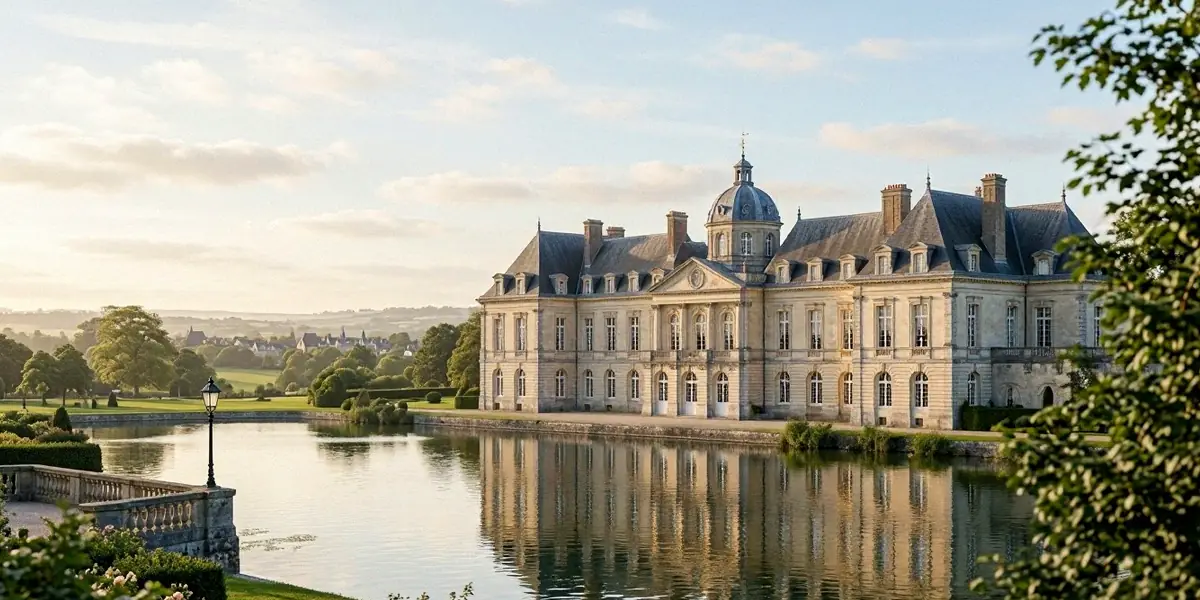
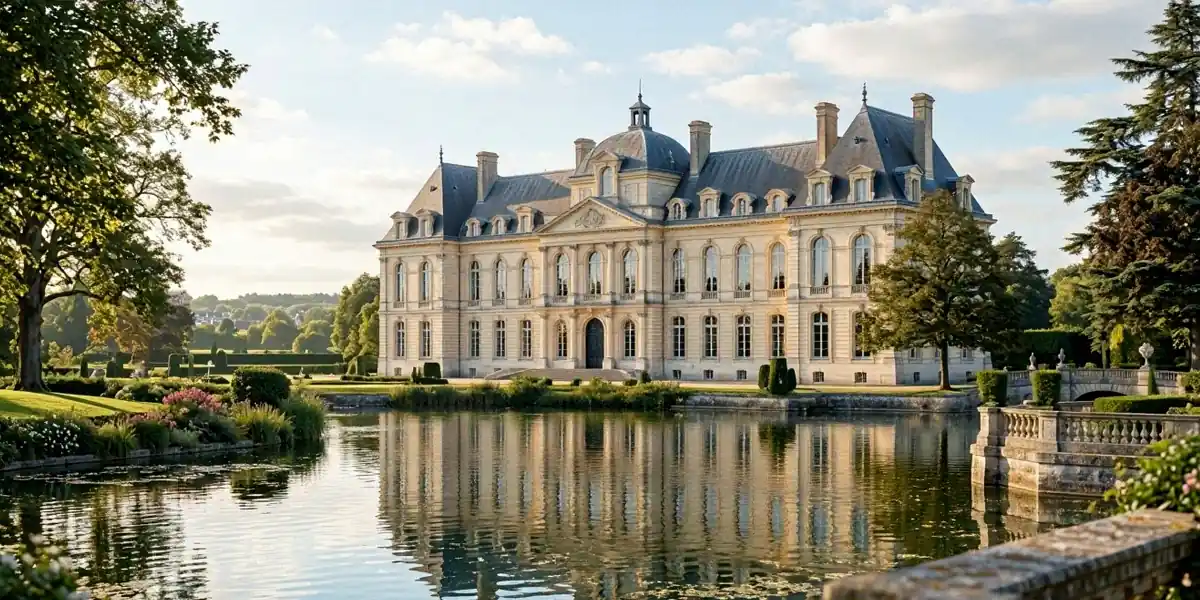
The Château d’Eu sits in the town of Eu, in Normandy, close to the English Channel. For much of the nineteenth century it was the country retreat of the Orléans family, and Louis-Philippe turned it into a showcase of French royal ambition. Its story overlaps with British history at several points, from the king’s exile in England to the state visit that helped lay the groundwork for the Entente Cordiale.
Louis-Philippe and the July Monarchy
Louis-Philippe, the last King of France, was born in Paris but spent his exile at Claremont House in Surrey. He reigned from 1830 to 1848 during the July Monarchy, a constitutional monarchy that tried to blend royal tradition with revolutionary change. Château d’Eu was his favourite residence, and he filled it with portraits, porcelain and furniture that told the story of his family and his reign. When the 1848 revolution forced him to abdicate, he returned to England, where he died at Claremont in 1850. The château remains the best single place to understand the man and the regime he led.
Queen Victoria’s Visit in 1843
Queen Victoria visited Château d’Eu in 1843, the first British monarch to visit a French sovereign since 1520. She travelled with Prince Albert and stayed as Louis-Philippe’s guest, sleeping in a room that is still shown to visitors today. The meeting was a diplomatic triumph, a rare moment of warmth between the two crowns, and it is often cited as an early step towards the Entente Cordiale of 1904. For British visitors, standing in the room where Victoria stayed is the highlight of any tour.
The Orléans Family in Exile
After 1848 the Orléans family scattered across Europe, and Château d’Eu lost its royal household. The family’s English connections remained strong, however, and the château later became a museum devoted to their legacy. Today it is owned by the town and run as the Musée Louis-Philippe, a rare survival of a nineteenth-century royal residence that still feels lived-in rather than monumental.
Getting There from the UK: Practical Travel Options
Château d’Eu is located in Normandy, about 2 hours from Calais and 1 hour from Dieppe. That makes it an easy add-on to a short break, whether you are driving from a ferry port or arriving by train. Here are the main routes our team recommends.
By Ferry and Car
Ferry routes from Newhaven to Dieppe and Portsmouth to Le Havre are popular with UK visitors heading to Normandy. DFDS operates the Newhaven–Dieppe crossing, which puts you roughly an hour from Eu. Brittany Ferries runs the longer Portsmouth–Le Havre route, convenient if you are coming from the south coast. From Calais, take the A16 south and then the A28 towards Rouen and Dieppe; the drive takes around two hours.
By Eurotunnel and Train
Eurotunnel Le Shuttle from Folkestone to Calais is the fastest way to bring a car across. If you prefer to travel without driving, take Eurostar to Paris or Lille, then a train to Rouen or Dieppe, and finally a local service or taxi to Eu. The nearest mainline station is Le Tréport–Mers-les-Bains, a short taxi ride from the château.
Local Transport in Normandy
Local buses connect Eu with Le Tréport, Mers-les-Bains and other towns in the Bresle valley, though services are limited on Sundays and public holidays. A car gives you far more flexibility, especially if you want to combine the château with the coast and the surrounding countryside.
- Newhaven–Dieppe ferry: around 4 hours, then roughly 1 hour by car to Eu.
- Portsmouth–Le Havre ferry: overnight or daytime crossings, then around 1 hour 30 minutes by car.
- Eurotunnel Folkestone–Calais: 35 minutes, then around 2 hours by car.
- Train via Paris or Rouen: allow 4 to 6 hours door to door.
What to See Inside the Château d’Eu
The château was rebuilt in the seventeenth century on the site of an older castle, and Louis-Philippe remodelled it in the 1830s to suit his taste. The result is a hybrid: part grand royal palace, part family home, part museum.
The Musée Louis-Philippe
The Musée Louis-Philippe inside the château houses a collection of over 3,000 objects, including royal portraits and Sèvres porcelain. Look out for the gallery of Orléans family portraits, the furniture from the July Monarchy period, and the personal mementos that survived the 1848 revolution. The collection is unusually intimate for a royal museum, and it gives a real sense of the family behind the crown.
The State Apartments
The grand staircase is one of the finest features of the interior, leading up to the state apartments and the Galerie des Guise. This long gallery, named after the powerful Guise family who once controlled Eu, is lined with portraits and historical scenes. The room where Queen Victoria stayed is preserved much as it was in 1843, and guides usually point out the bed and the adjoining dressing room.
The Chapel and Gardens
The chapel retains its nineteenth-century decoration and is still used for occasional services. Outside, the gardens are modest but pleasant, with views over the town and the Bresle valley. They are a good spot to pause before exploring the rest of Eu.
Exploring the Town of Eu and Surrounding Normandy
Eu itself is worth a half-day at least. The town grew up around the château and the collegiate church, and it retains a quiet, historic character that rewards slow walking.
Collégiale Notre-Dame and Hôtel-Dieu
The Collégiale Notre-Dame d’Eu is a striking Gothic church with a fine façade and a notable crypt. Nearby, the Hôtel-Dieu is a former hospital with a seventeenth-century chapel and an apothecary that has been preserved as a museum. Together they give a sense of the town’s religious and civic history.
Le Tréport and Mers-les-Bains
Le Tréport is a lively seaside town with a fishing harbour, a funicular to the cliffs, and views across to the chalk coast. Mers-les-Bains, next door, is famous for its Belle Époque villas and promenade. Both are within a short drive or bus ride of Eu, and they make an easy contrast to the royal history inland.
The Bresle Valley
The Bresle valley has a long glassmaking heritage, and several workshops still produce luxury glass and crystal. If you have time, a visit to one of the glassworks adds an unexpected dimension to a Normandy trip.
Practical Tips for UK Visitors
A little planning makes a big difference at Château d’Eu, especially around opening hours and French public holidays.
Opening Hours and Tickets
The château is closed on Tuesdays, and opening hours vary by season. UK visitors should check French bank holidays before travelling, as the museum may close or run reduced hours. Tickets are reasonably priced, with concessions for students and families. Guided tours are available in French, and some staff speak English.
Accessibility and Facilities
The ground floor and gardens are largely accessible, but the upper floors and grand staircase may be difficult for visitors with limited mobility. There is a gift shop on site, and toilets are available. If you need step-free access, it is worth contacting the museum in advance.
Where to Eat and Stay
Eu has a handful of cafés and restaurants near the château, serving standard Norman fare: crêpes, galettes, seafood and local cider. Le Tréport and Mers-les-Bains offer more choice, especially for seafood. For overnight stays, Eu has small hotels and guesthouses, while Le Tréport has a wider range of options including seafront hotels.
Why We Think Château d’Eu Deserves a Place on Your Itinerary
In our view, Château d’Eu is one of the most underrated royal sites in France. It is not as grand as Versailles, but that is precisely the point. It offers a unique blend of French royal history and Norman charm, especially for those interested in the July Monarchy and the House of Orléans. The connection to Queen Victoria gives it a special resonance for British visitors, and the surrounding coast and countryside make it an easy and rewarding detour from the ferry ports.
Château d’Eu is an essential stop for anyone tracing the legacy of Louis-Philippe and the House of Orléans. UK visitors will find it accessible, affordable and unexpectedly moving, whether they come for the royal portraits, the Sèvres porcelain or simply the room where Victoria slept.
FAQ
Is Château d’Eu worth visiting from the UK?
Yes. It is about two hours from Calais and one hour from Dieppe, making it a practical stop on a Normandy trip. The Musée Louis-Philippe and the Queen Victoria room are the main highlights.
When is Château d’Eu closed?
The château is closed on Tuesdays. Opening hours vary by season, and it may also close on some French public holidays, so check ahead before travelling.
How do I get to Château d’Eu without a car?
Take Eurostar to Paris or Lille, then a train to Rouen or Dieppe, followed by a local train or taxi to Eu. The nearest station is Le Tréport–Mers-les-Bains.
What can I see inside the Musée Louis-Philippe?
The museum houses over 3,000 objects, including royal portraits, Sèvres porcelain, furniture and personal mementos from the July Monarchy period.
Did Queen Victoria really stay at Château d’Eu?
Yes. Queen Victoria visited in 1843, the first British monarch to visit a French sovereign since 1520. The room where she stayed is still shown to visitors.